

Key Takeaways
- Italian football teams struggle due to deeper issues beyond just poor performance.
- Financial constraints limit clubs’ ability to attract players and develop facilities compared to other European leagues.
- The focus on experienced players hinders the development of young talent in Italy.
- Recent failures in international competitions raise concerns about the need for reform in Italian football policy.
- Despite challenges, Italian clubs can revive their success through strategic changes and leveraging their cultural popularity.
As a result of the recent poor performances of Italian football teams, it becomes apparent that the problem is not the inability of the national squad to win games. Instead, there are some deeper problems in the way the league is run. Once a dominant force in European football, Italy’s clubs struggle to compete with those from other countries. Because of this, the ongoing Italian football crisis became a matter of concern among football enthusiasts.
For several years, Italian clubs have had great difficulties competing in European tournaments. Moreover, it has been increasingly difficult for them to make an impression on opponents and get past the early stages of the tournament. This trend shows that the problems go far beyond a couple of poor results. As a result, there must be certain structural issues in the way that Italian clubs operate.
The first reason why Italy faces a serious crisis in football is the financial one. Clubs belonging to the top flight of Italy do not have access to sufficient funds. Meanwhile, English, Spanish, or even German leagues boast a budget that is several times higher than theirs. Therefore, the latter have a chance to attract good players and build modern infrastructures. This is not the case in Italy.
Another problem relates to the development of talented young players. On the one hand, it is true that many talented footballers are born in Italy. However, it is quite hard for them to develop skills due to a certain mentality. Italian managers are more likely to employ experienced rather than young athletes. The lack of a proper strategy in training youngsters is a key issue for them.
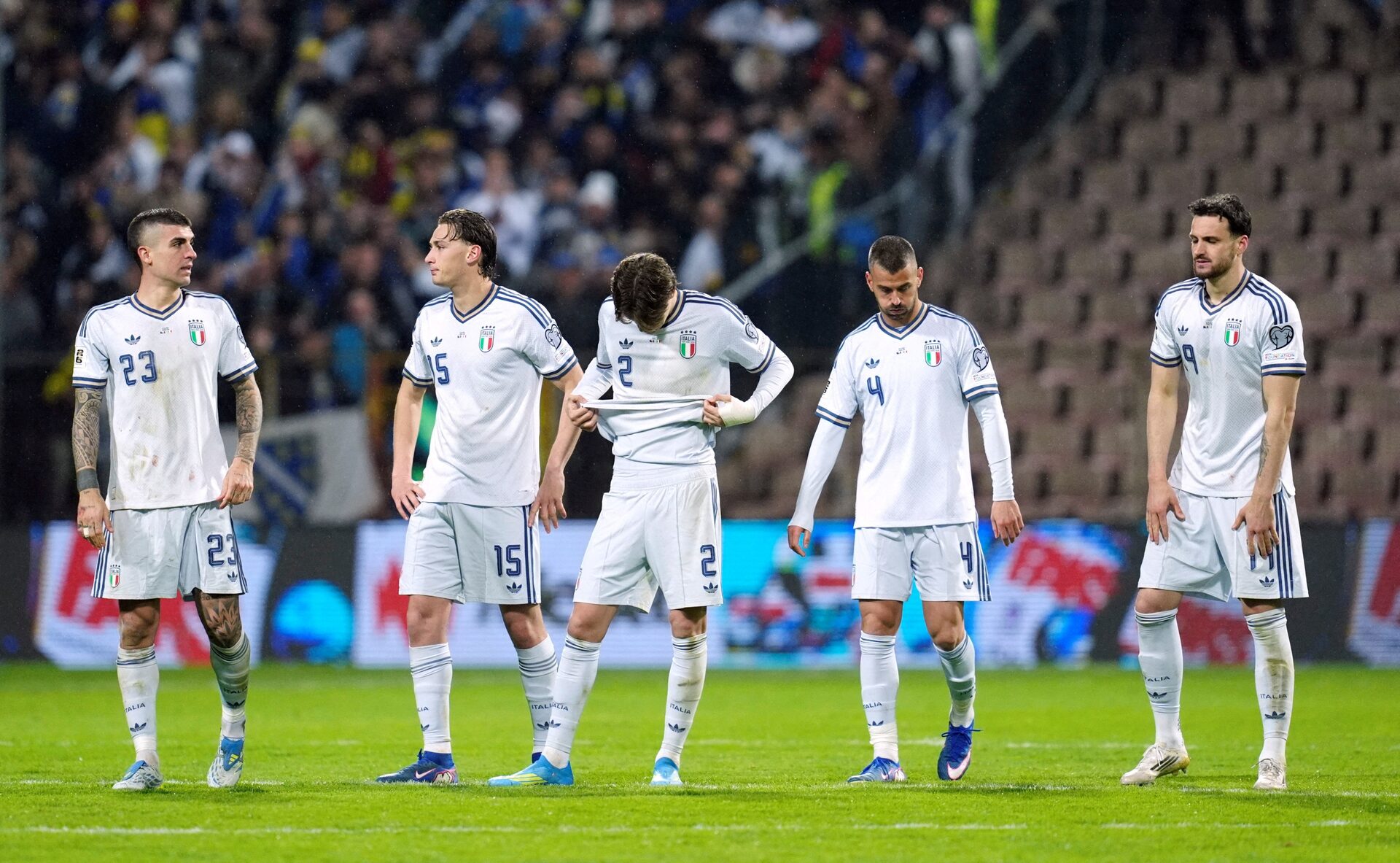
Moreover, Italy cannot boast of having a successful performance in international competitions lately. Being unable to enter the World Cup several times made people wonder whether the nation needs an entire reform of its football policy. This might be necessary in order to remain successful in this sphere.
Nevertheless, despite all the difficulties mentioned above, there is still a chance for Italian clubs to rise again. They enjoy huge popularity in the nation, have historical teams, and have a good football culture. Implementing appropriate changes will help them become more competitive soon.
In summary, there are several aspects that should be considered when talking about the Italian football crisis. It has much to do with structural issues that need to be addressed immediately. If the country wants to remain competitive in the future, these changes are urgent.