

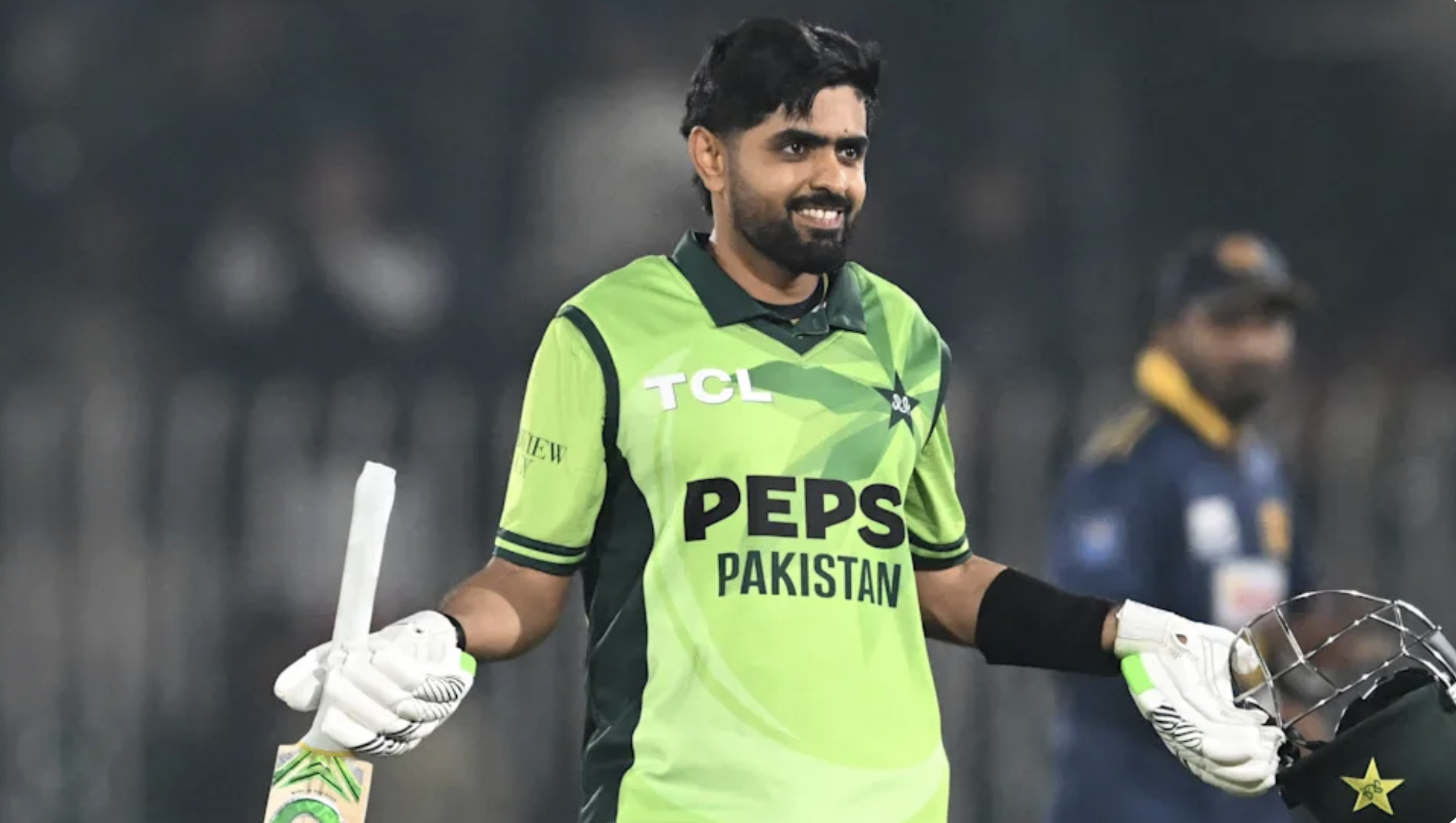
LAHORE / DAMBULLA — Pakistan’s decision to unveil a new-look T20I squad for their January tour of Sri Lanka has sparked debate across the cricketing world, as several of the nation’s biggest names have been left out — not through injury or loss of form, but by design.
With the ICC Men’s T20 World Cup 2026 just weeks away, the Pakistan Cricket Board has opted for experimentation over familiarity, using the three-match Sri Lanka series as a stress test for squad depth, leadership options, and tactical flexibility.
This is not a weakened squad.
It is a deliberately unfinished one.
A Calculated Absence of Star Power
The omissions of Babar Azam, Mohammad Rizwan, Shaheen Shah Afridi and Haris Rauf immediately stand out. These players form the spine of Pakistan’s recent white-ball success — but all are currently committed to the Big Bash League, reflecting modern cricket’s increasingly complex calendar.
Rather than forcing last-minute reshuffles or partial availability, selectors have chosen clarity: a fully committed touring group, free from divided priorities.
The message is clear — no player is indispensable in preparation mode.
Salman Ali Agha’s Audition as Leader
Appointing Salman Ali Agha as captain is one of the tour’s most intriguing decisions. Calm, tactically astute and respected within the squad, Agha represents a transitional leadership option — not necessarily a long-term replacement, but a capable steward during a phase of testing.
For Pakistan’s selectors, this tour answers key questions:
- Can Agha manage tempo and resources in T20 internationals?
- How does he respond to pressure without senior figures around him?
- Does he offer a viable leadership fallback for the World Cup?
In short, this is not just a series — it is a captaincy audition.
Building a Second Line Before the World Cup
Every major tournament is shaped not only by first-choice XIs, but by what happens when plans go wrong. Injuries, form slumps and tactical mismatches are inevitable.
This squad is designed to prepare for those moments.
Players such as Saim Ayub, Abrar Ahmed, Naseem Shah, Faheem Ashraf and Khawaja Nafay are being assessed under real international conditions — not in theory, but under scoreboard pressure.
Selectors are effectively asking:
Who can step in at two days’ notice and perform?
The Sri Lanka tour provides those answers without risking World Cup momentum.
Why Sri Lanka Is the Ideal Testing Ground
Holding all three matches at Rangiri Dambulla International Stadium adds strategic value. The venue’s conditions — slower pitches, grip for spinners, and high humidity — mirror what teams can expect during the T20 World Cup in South Asia.
This allows Pakistan to:
- Trial spin-heavy combinations
- Test death-over bowling alternatives
- Assess middle-order adaptability on low-bounce surfaces
Every over bowled and chased in Dambulla feeds directly into World Cup planning.
The Franchise Era Reality Check
This squad announcement also reflects a broader truth in modern cricket: international teams must now plan around franchise leagues, not against them.
Pakistan’s selectors have chosen cooperation over conflict — recognising that player workload management is essential, not optional.
Rather than lamenting absences, the PCB is leveraging them to expand its competitive base — a move that could pay dividends when the World Cup demands squad rotation and tactical agility.
Pressure Without Protection
One of the most valuable elements of this tour is psychological. Younger players will operate without the safety net of senior stars.
There will be no Babar to steady the innings.
No Shaheen to break partnerships.
No Rizwan to dictate tempo.
Those responsibilities will fall to players still fighting for permanence — exactly the environment in which future match-winners are forged.
A Series That Could Shape the Final World Cup Squad
While the World Cup squad may still include many of the absent stars, performances in Sri Lanka could determine:
- Backup batting options
- Reserve bowling combinations
- Squad balance decisions
- Leadership contingencies
In tournament cricket, margins are razor-thin. Pakistan’s willingness to sacrifice short-term comfort for long-term clarity may prove decisive.
The Bigger Picture
Pakistan have won global tournaments before by embracing uncertainty — trusting talent, backing youth, and allowing players to grow under pressure.
This Sri Lanka series fits that tradition.
It is not about winning a bilateral series in January.
It is about being ready in February.
And by choosing depth over dependence, Pakistan are quietly preparing for every scenario the World Cup might throw at them.
Read more sports news here.
Source
- ICC Cricket — Big names miss out as Pakistan reveal squad for Sri Lanka
https://www.icc-cricket.com/news/big-names-miss-out-as-pakistan-reveal-squad-for-sri-lanka